Honorary Degrees
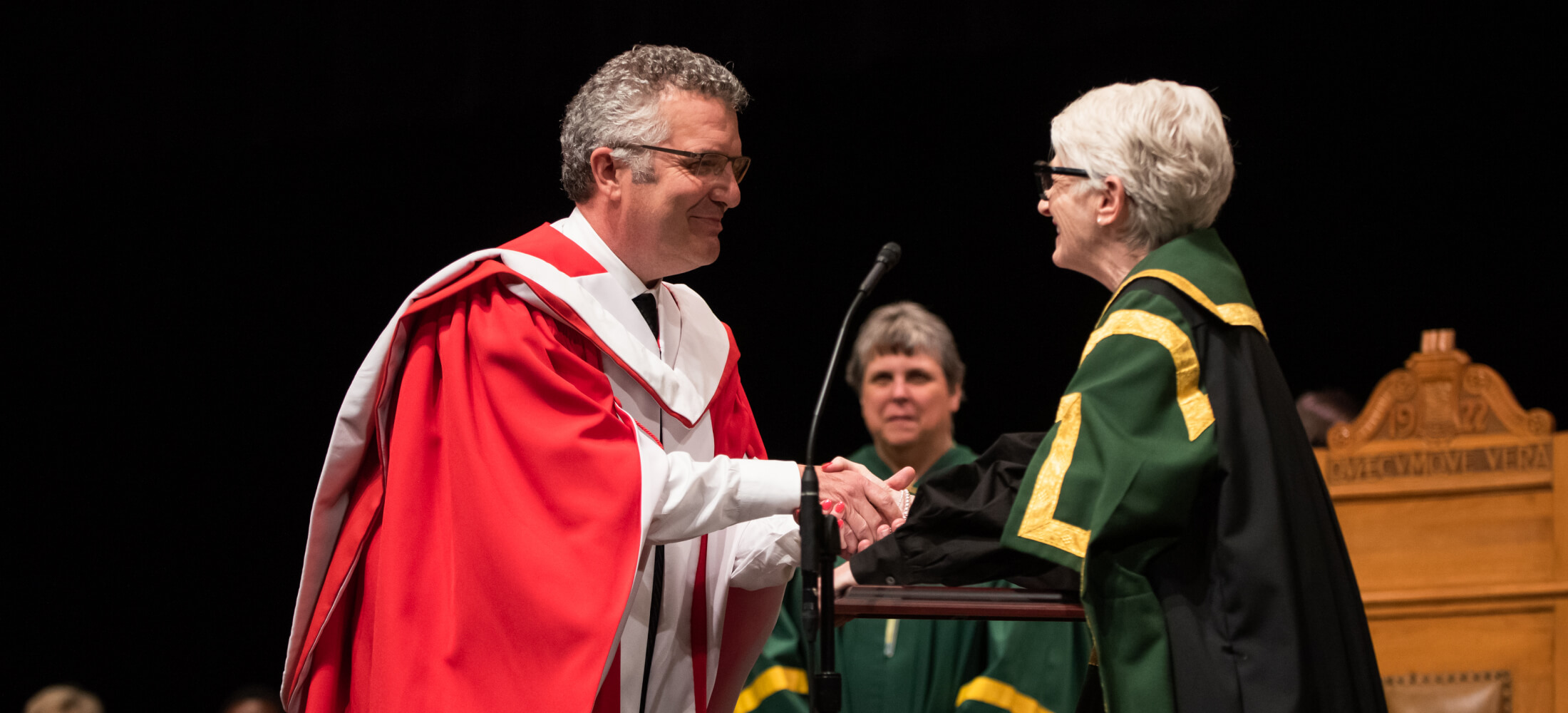
At most Convocation ceremonies, the University confers an Honorary Degree on an individual, who then gives an address. The tradition of granting honorary degrees at the University of Alberta dates back to our first Convocation, in 1908.
Honorary degrees are generally awarded for one of three reasons: to recognize extraordinary intellectual or artistic achievement; to honor service to the university and to the wider society; and to recognize men and women who might serve as examples to the institution's student body. An honorary degree, it is said, honours both the grantee and the spirit of the institution.
Conferred honoris causa, "for the sake of honor," honorary degrees are awarded as one of three types:
- Doctor of Laws, honoris causa
- Doctor of Letters, honoris causa
- Doctor of Science, honoris causa
The PhD is granted only as an earned degree.
Honorary Degree Books Collection
To celebrate each honorary degree recipient, librarians in Bruce Peel Special Collections specially select a rare book or artwork. Each selection both recognizes the recipient's achievements and enriches the Peel library's research and teaching collections. Discover the collection of over 400 rare books and artworks that the Peel library has acquired since the program began in 1987, showcased in the digital exhibition.
June 2026 Honorary Degree Recipients + Convocation Speakers
Convocation Speaker: June 4, 2:30 p.m.
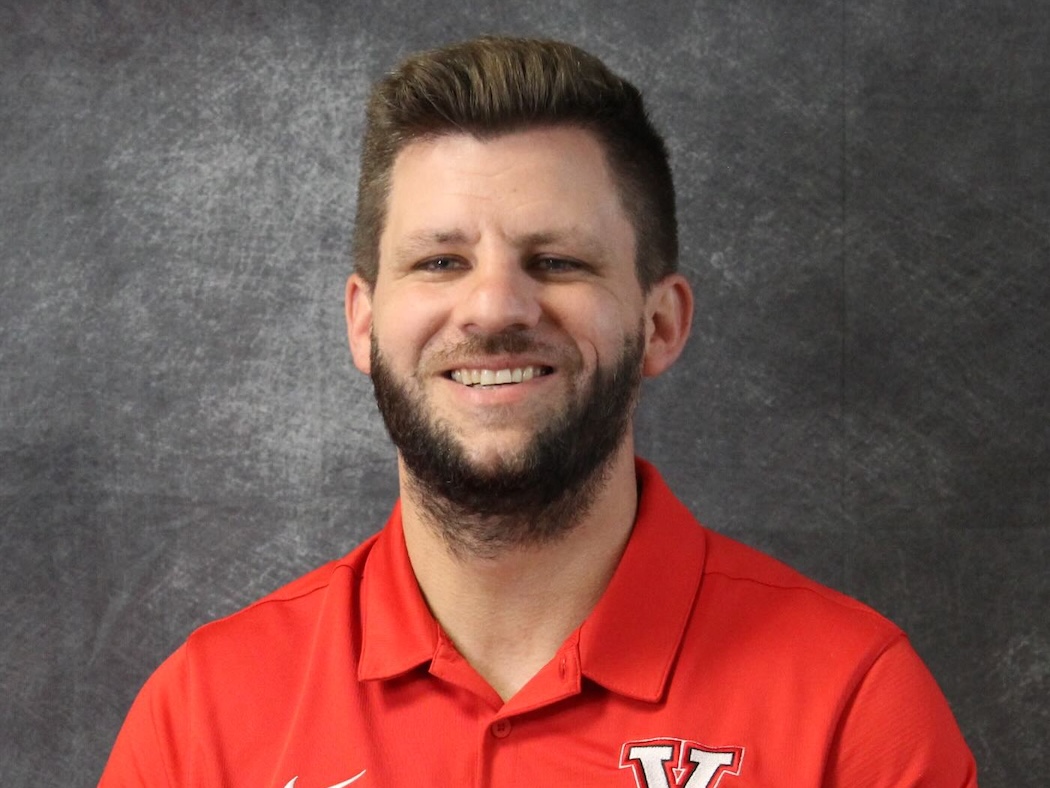
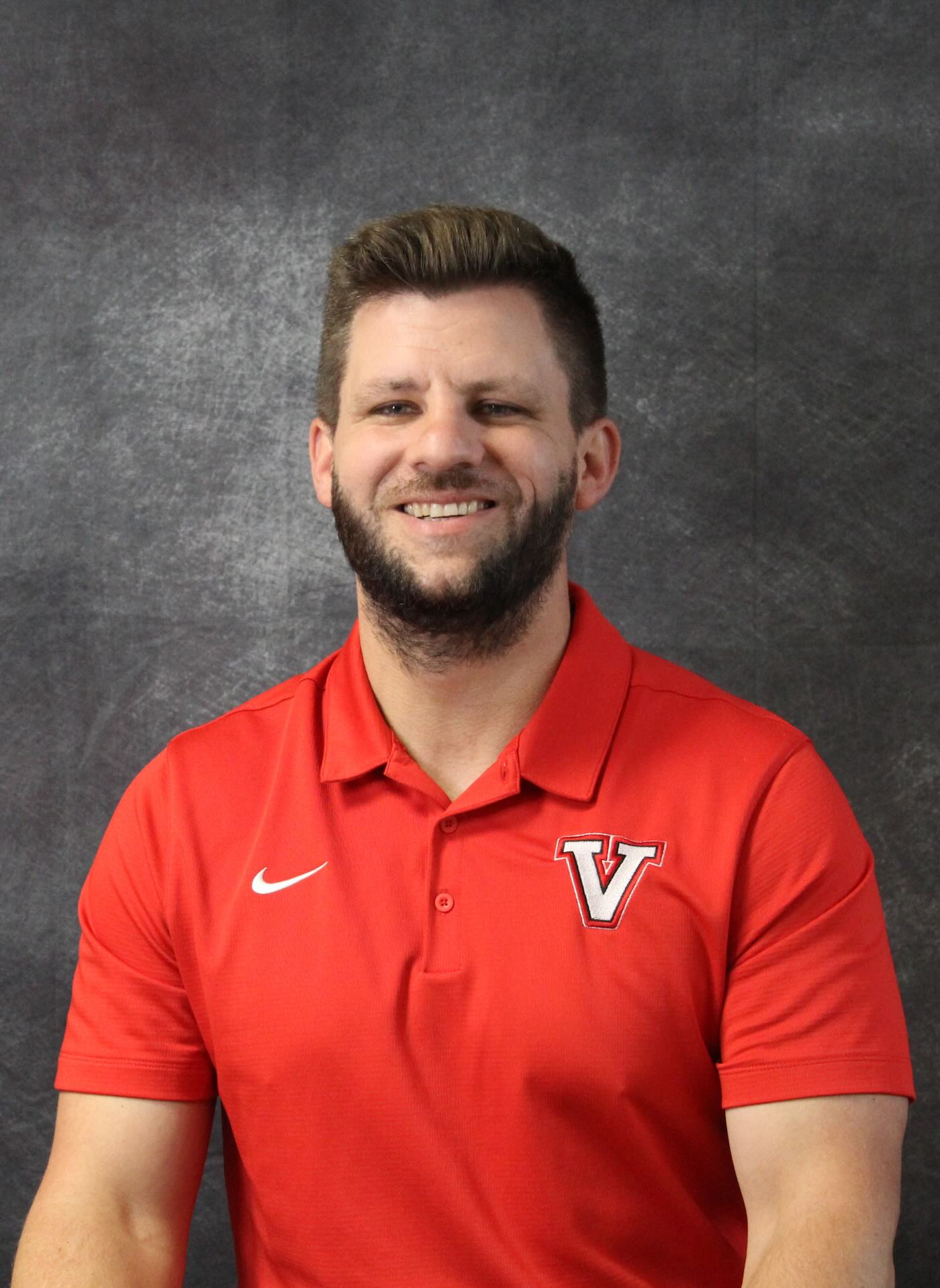
Steve is an alumnus of both Augustana and the University of Alberta, where he earned his Bachelor of Education degree. For the past 15 years, he has dedicated himself to education while pursuing a lifelong passion for coaching that began at the age of 19.
Over the last seven seasons, Steve has served as Head Coach of the Augustana Women’s Volleyball team, leading the program to unprecedented success. During his tenure, he has been named ACAC Coach of the Year four times and has guided the team to three National Championship appearances. Most recently, the program competed for its first-ever national medal in court sports — a historic achievement for the school. That same season, Steve was recognized with the ACAC Overall Coaching Excellence Award, another first in Augustana history.
In his teaching role at Augustana, Steve has the privilege of working alongside future educators and coaches, helping shape the next generation of leaders. He lives by a mantra borrowed from legendary coach John Wooden: “You haven’t taught until they have learned.”
Convocation Speaker: June 9, 3 p.m.
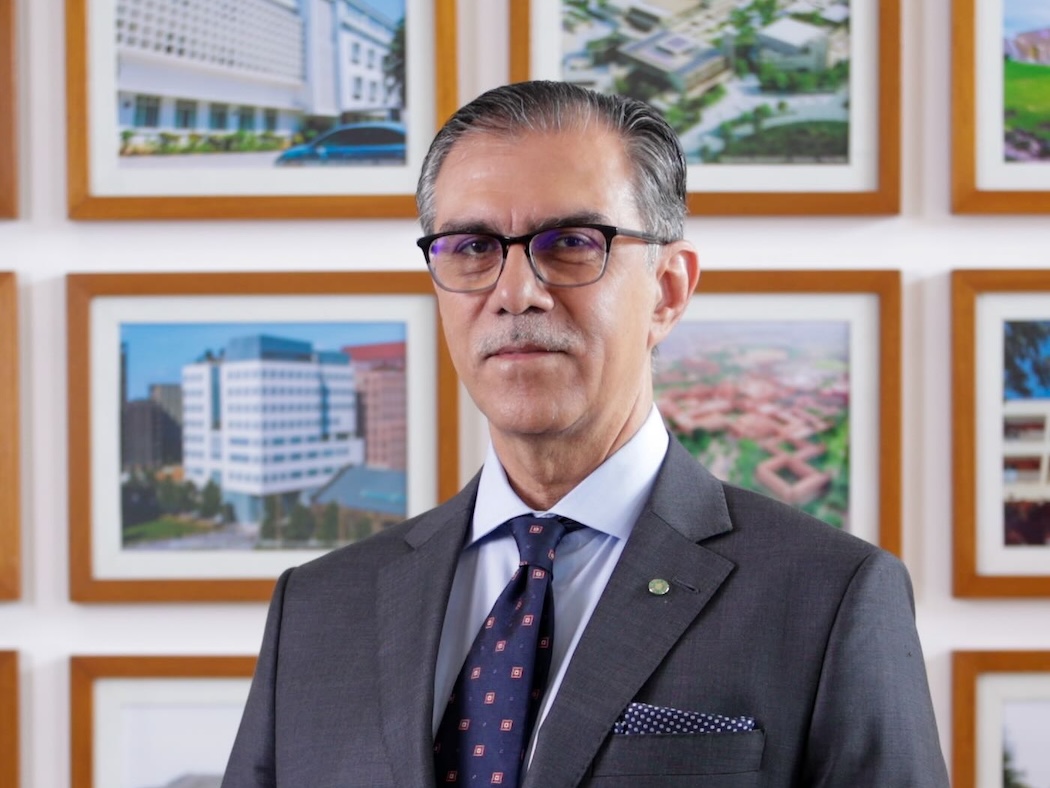
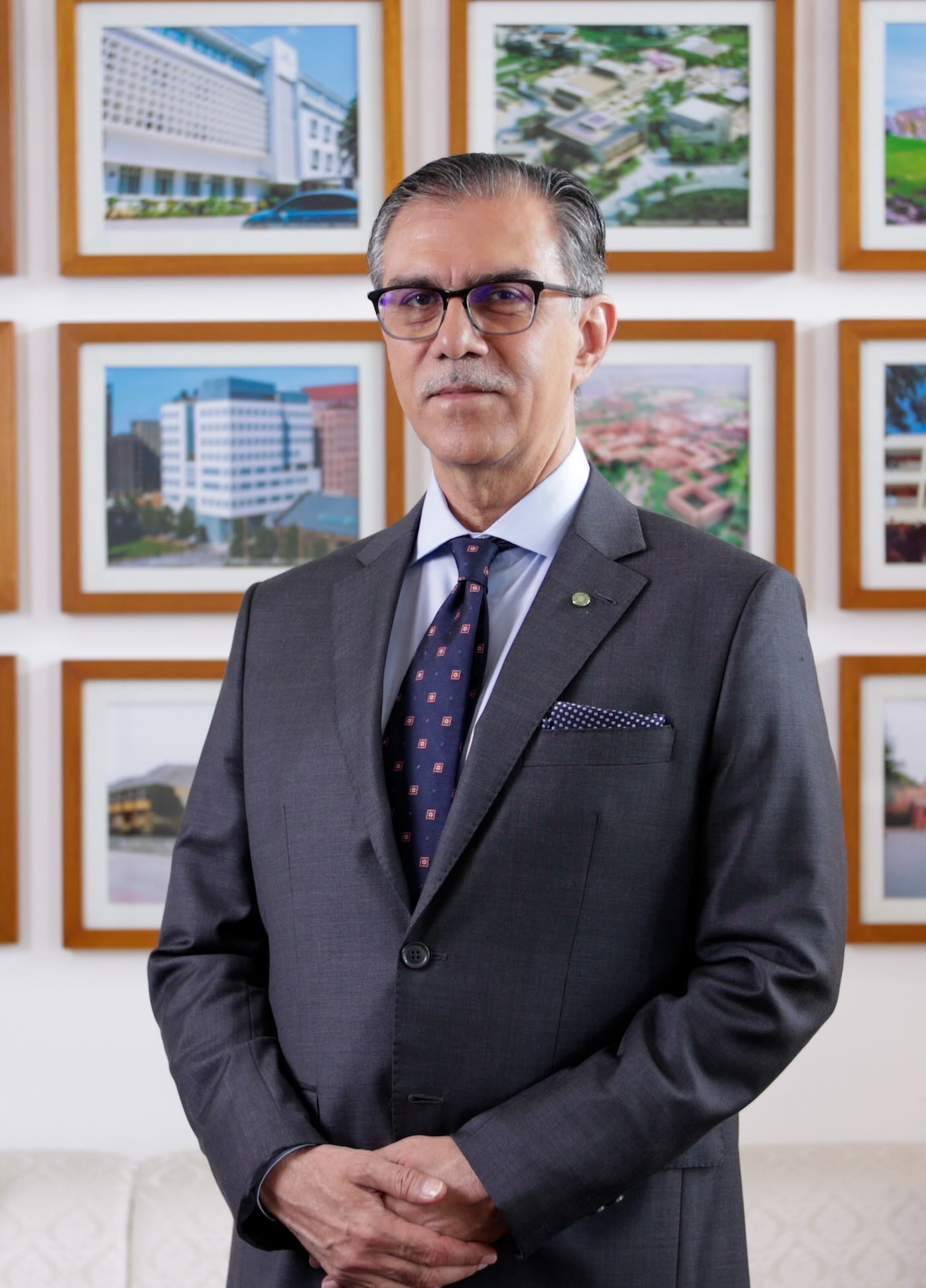
As President of the Aga Khan University (AKU), Sulaiman Shahabuddin leads an institution with over 4,000 students on three continents, a health system that cares for approximately 2.5 million patients annually, and a record of excellence that has led to it being ranked among the top 150 universities in the world in several fields in recent years. He became President in 2021.
During his tenure, AKU achieved a number of longstanding goals at its campuses and hospitals in Pakistan, Afghanistan, Kenya, Tanzania, Uganda and the United Kingdom. Major new academic programs and research initiatives have been launched, construction of a new campus and hospital in Uganda is underway and significant steps have been taken to reduce AKU’s carbon emissions.
Prior to taking office, President Shahabuddin served as Regional CEO of the Aga Khan Health Services, East Africa. He holds an MBA from the University of Karachi; a Master’s in Sustainable Development from Imperial College London; and a Doctorate of Health Administration from Central Michigan University. For his contributions to the fields of health and education, in 2024, the President of Pakistan awarded him the Sitara-i-Imtiaz, one of Pakistan’s highest civilian honours.
President Shahabuddin is married with two children, Anjiya and Basim. His wife, Zeenat, is a graduate of AKU’s School of Nursing and Midwifery, holds a Doctorate in nursing from Johns Hopkins University and is Regional CEO of the Aga Khan Health Services, East Africa.
Convocation Speaker: June 10, 10 a.m.
Honorary Degree Recipient: June 10, 3 p.m.
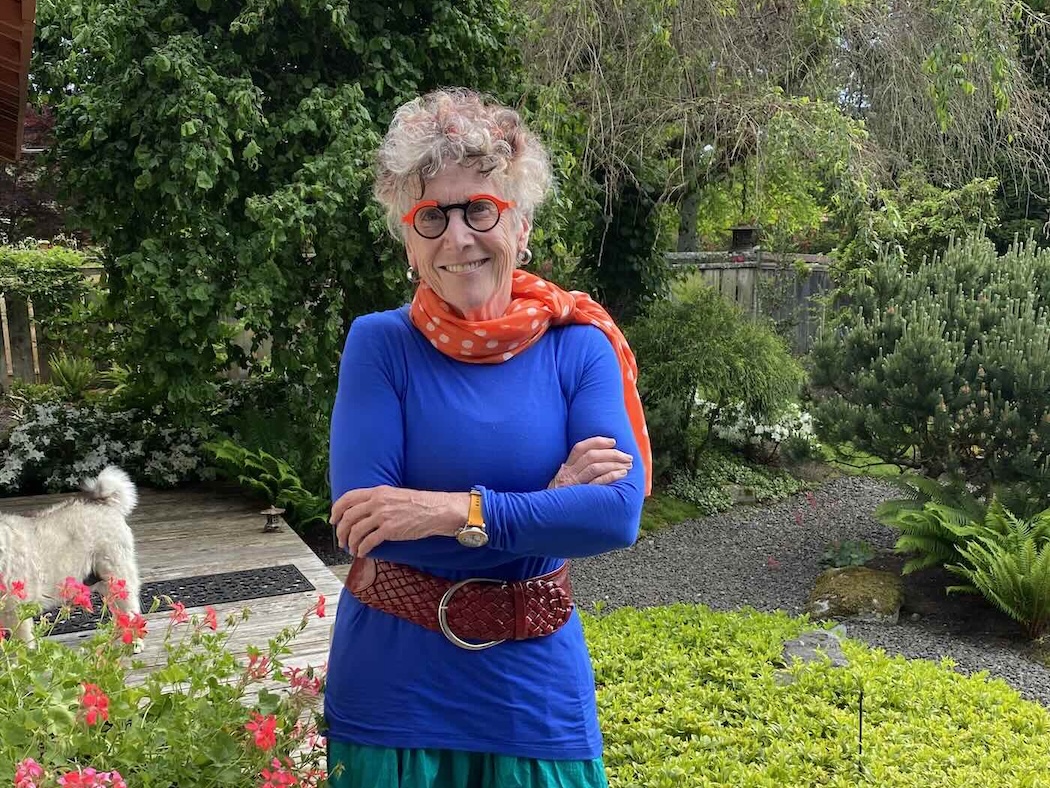
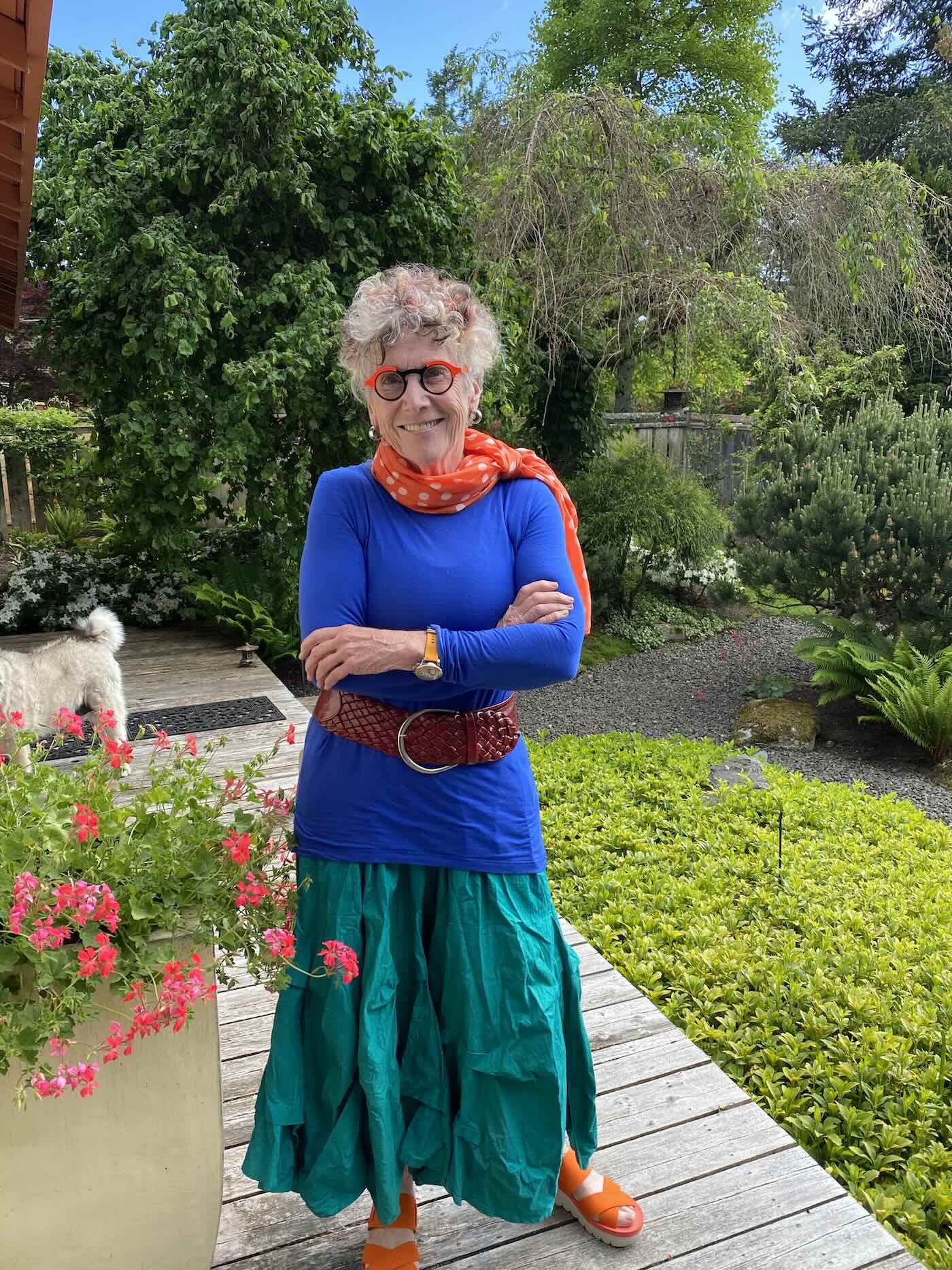
Lorna Crozier is a pre-eminent poet and award-winning professor who has made enduring contributions to post-secondary education and Canadian literature.
Born in Swift Current, Sask., she completed her bachelor of arts at the University of Saskatchewan in 1969 and earned her master of arts from the University of Alberta in 1980 before taking a professorship at the University of Victoria in 1991, where she is now Distinguished Professor Emerita.
Crozier has published 17 volumes of poetry, including the Governor General’s Award-winning Inventing the Hawk and her acclaimed memoir, Small Beneath the Sky. She has also been a mentor to renowned authors such as Richard Wagamese, and as co-editor of the Breathing Fire anthologies with her late husband and fellow poet, Patrick Lane, she has played an influential role in highlighting new Canadian poets.
A lifetime member of the League of Canadian Poets, she was named a fellow of the Royal Society of Canada in 2009 and an officer of the Order of Canada in 2011. Her enduring relationship with the U of A was celebrated in 2005 when she received an Alumni Honour Award.
Convocation Speaker: June 11, 10 a.m.
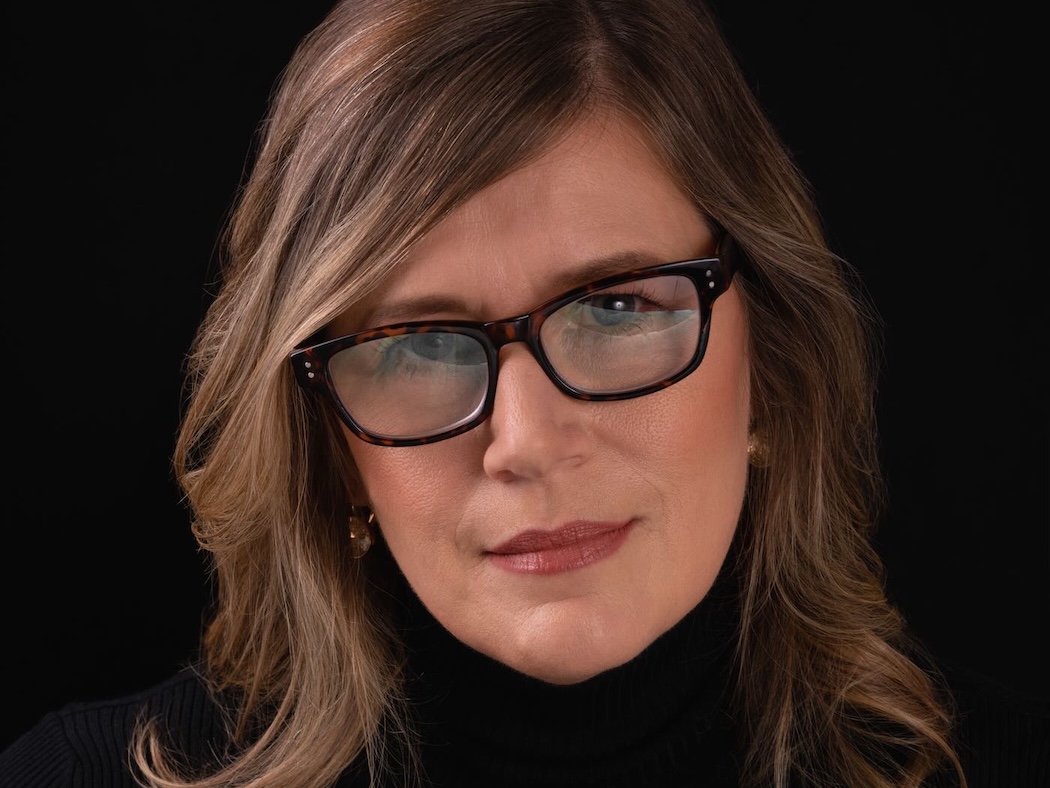
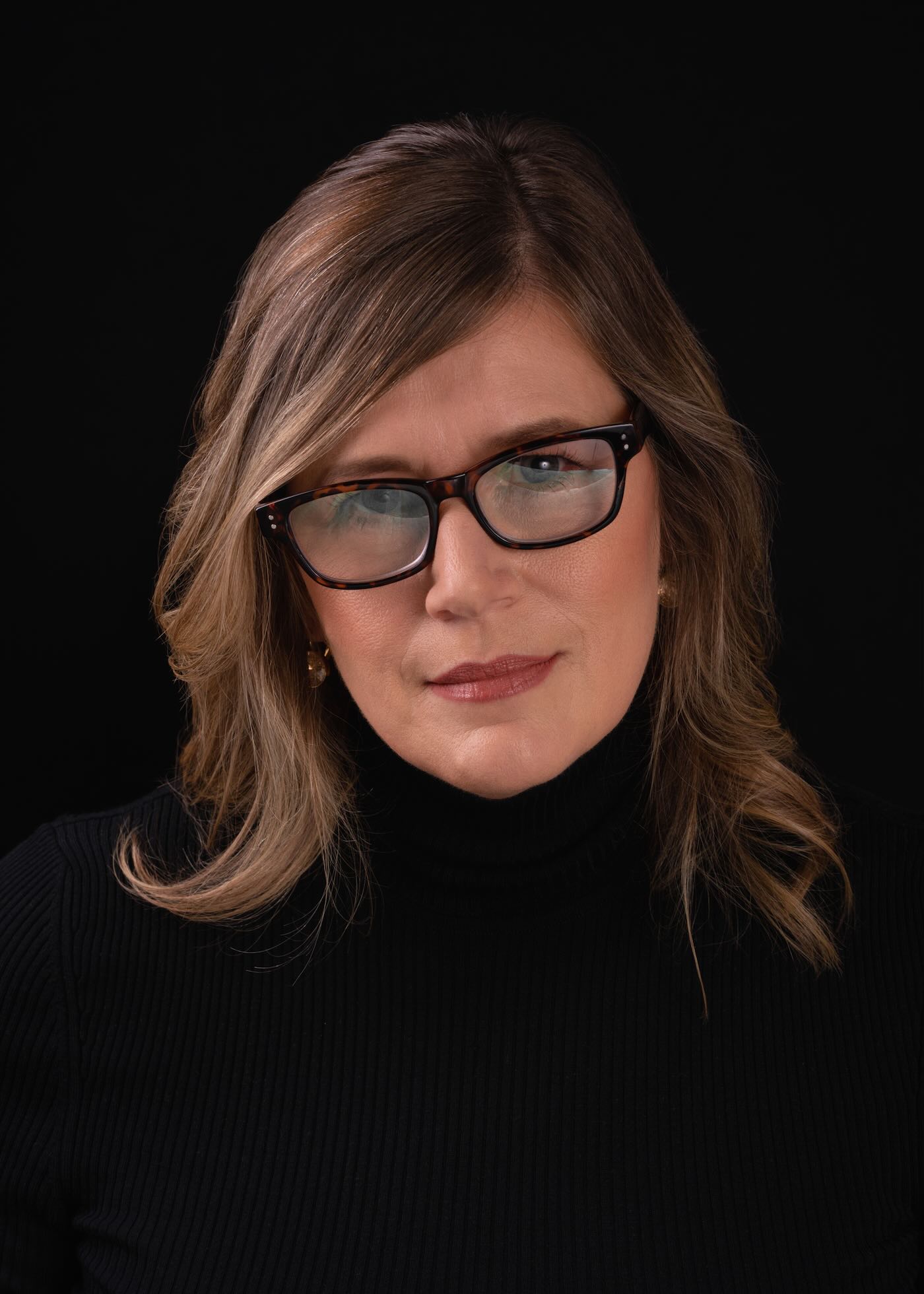
With a career spanning academia, sustainability leadership and international collaboration, Naomi Krogman has dedicated her work to advancing environmental stewardship, community engagement and transdisciplinary scholarship. She currently serves as Professor in the School of Resource and Environmental Management within Simon Fraser University’s Faculty of Environment, where she also held the role of Dean from 2019 to 2025.
As Dean, Naomi championed initiatives focused on Indigenous partnerships and expanding Indigenous content across the faculty, working closely with First Nations in the Lower Mainland and along the Fraser River. She also led Simon Fraser University’s efforts to create international research and learning opportunities through the Arusha Climate and Environment Research Centre in partnership with Aga Khan University.
Prior to joining Simon Fraser University, Naomi spent 22 years at the University of Alberta as an environmental sociologist in the Department of Resource Economics and Sociology within the Faculty of Agricultural, Life & Environmental Sciences. During that time, she also served in leadership roles including Associate Dean of Graduate Studies and Director of Sustainability Scholarship in the Provost’s Office.
Her research has crossed disciplines and borders, addressing issues such as sustainable consumption, community-based resource management, wetland policy and the role of higher education institutions in advancing sustainability scholarship and teaching. Her work has taken her around the world, including projects and collaborations in India, Mongolia, Sri Lanka, Thailand, Haiti, Botswana, Tanzania and South Africa. Grounded in the belief that research should respond to societal needs, Naomi has worked closely with First Nations, industry, NGOs and community organizations to co-develop research and strengthen knowledge mobilization.
Now based in Victoria, British Columbia, Naomi is entering a new chapter focused on creativity, mosaic art and other pursuits inspired by a lifelong love of nature.
Honorary Degree Recipient: June 11, 3 p.m.
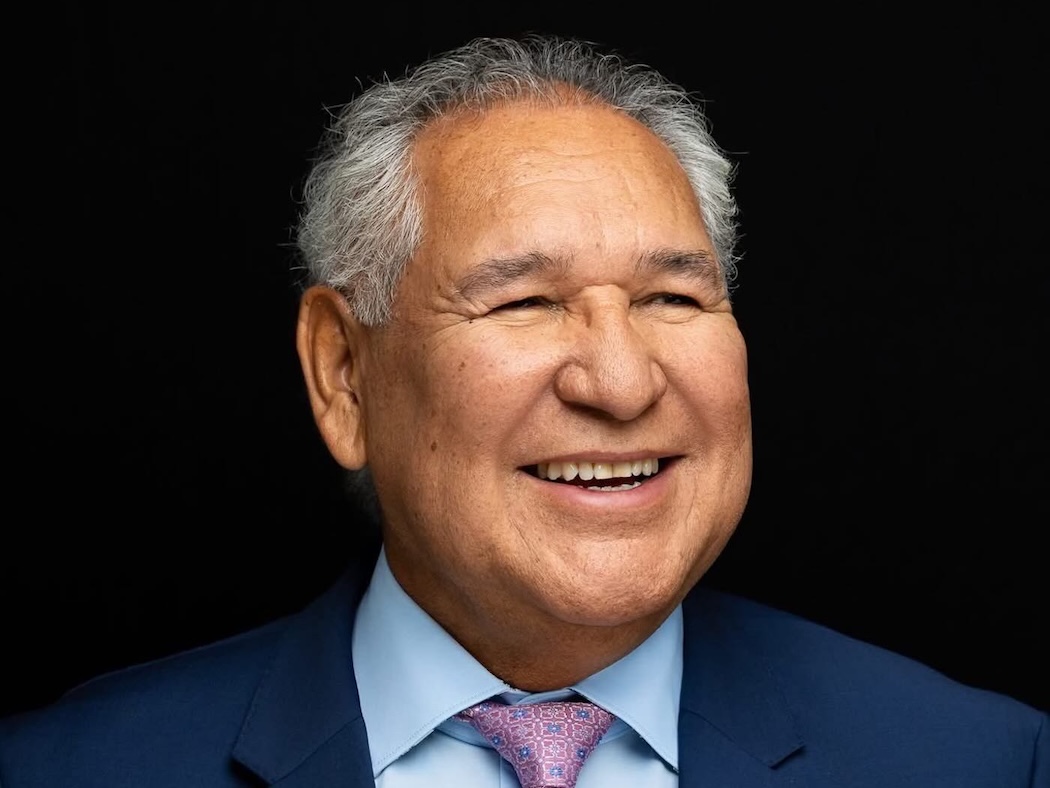
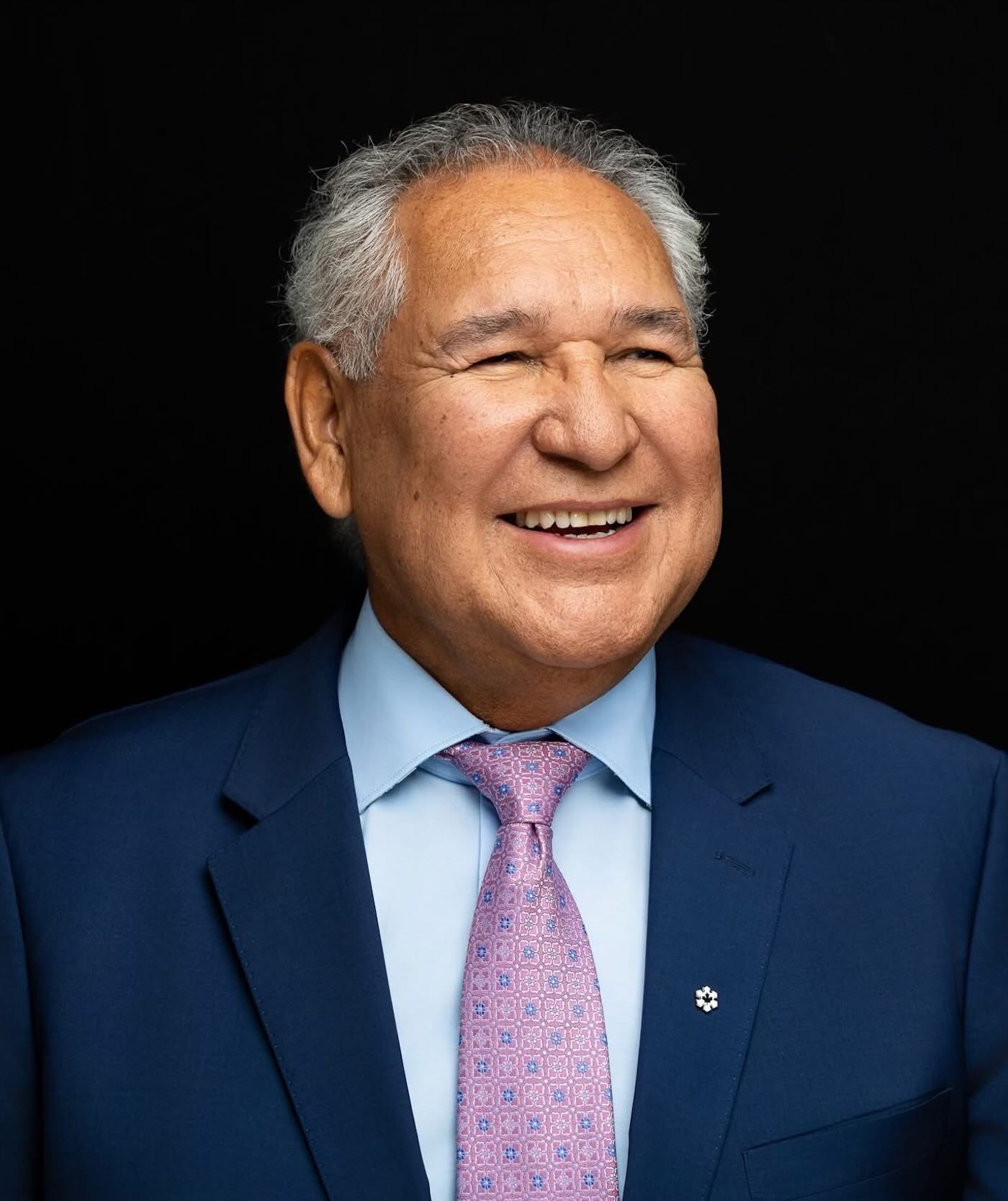
For David Tuccaro, success has never been the destination. It has always been a tool - for opening doors, creating pathways and building a better future for others.
Growing up in Fort Chipewyan as a member of the Mikisew Cree First Nation, Dave understood both the challenges facing his community and the untapped potential within it. Rather than accept limitations, he set out to redefine them - driven by a belief that opportunity should be created, not waited for.
What began in the Northern Alberta Oil Sands region has grown into a diversified group of companies operating across Western Canada. Through determination, resilience, and a clear sense of purpose, Dave built businesses that not only succeed commercially, but also create meaningful opportunities for Indigenous people.
His leadership has helped expand what Indigenous participation in Canada’s economy can look like. By founding the Northeastern Aboriginal Business Association, he brought together more than 100 companies, demonstrating the strength and potential of Indigenous entrepreneurship.
Beyond business, Dave has become a national voice for economic reconciliation and community development. Through his involvement with organizations such as Indspire, he has supported education initiatives that empower Indigenous youth across the country - reinforcing his belief that education is one of the most powerful tools for change.
His contributions have been widely recognized, including multiple honorary doctorates, Canada’s Top 40 Under 40, induction into the Aboriginal Business Hall of Fame, and appointment to the Order of Canada. Yet, for Dave, these honours represent not an endpoint, but a responsibility to continue building pathways for others.
At the heart of his work is a commitment to community. Inspired by his mother and guided by a strong sense of purpose, Dave has remained focused on lifting others - ensuring that progress is shared and that success creates momentum for those who follow.
His journey is a powerful example of what can happen when vision is paired with action, and when success is defined not just by personal achievement, but by collective advancement.
To junior achievers, his message is both a challenge and an invitation: “Step forward. Be ready. And use every opportunity to build something better - not just for yourself, but for your community.”
Convocation Speaker: June 12, 10 a.m.
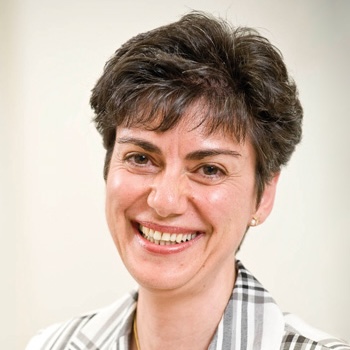
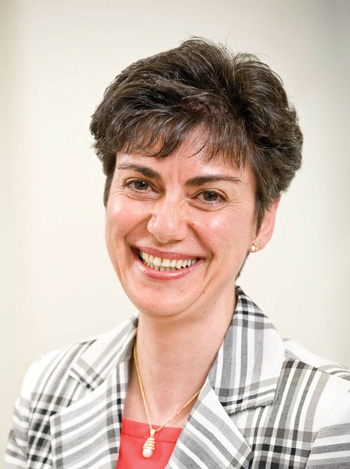
Vivian Mushahwar is a professor in the Faculty of Medicine & Dentistry at the University of Alberta and a leading Canadian researcher in neurorehabilitation, neural engineering and recovery from spinal cord injury. She serves as Director of the Institute for Smart Augmentative and Restorative Technologies and Health Innovations (iSMART) and is internationally recognized for pioneering work that combines neuroscience, engineering, rehabilitation medicine and artificial intelligence to restore movement and function after neurological injury.
Dr. Mushahwar received her BSc in Electrical Engineering from Brigham Young University and her PhD in Bioengineering from the University of Utah before completing postdoctoral training in rehabilitation medicine and neuroscience at Emory University and the University of Alberta.
She holds appointments in the Departments of Medicine and Biomedical Engineering and is a principal investigator with the Neuroscience and Mental Health Institute. Over the past two decades, her research has advanced the development of implantable neurotechnologies, wearable systems and spinal cord stimulation approaches aimed at improving mobility, health and quality of life for people living with spinal cord injury and other neurological disorders.
A passionate advocate for interdisciplinary innovation, Dr. Mushahwar has led numerous national and international collaborations bridging health sciences, engineering, rehabilitation and industry. Her work has been recognized with many prestigious honours for research excellence, mentorship and leadership in translational science, including appointment as a Tier 1 Canada Research Chair in Functional Restoration, induction as a Fellow of the Canadian Academy of Health Sciences and the American Institute for Medical and Biological Engineering, the Killam Annual Professorship and the University of Alberta’s J. Gordin Kaplan Award for Excellence in Research.
Beyond her scientific contributions, Dr. Mushahwar is deeply committed to mentoring the next generation of researchers, clinicians and innovators. She mentored 140 trainees in her lab at the undergraduate, graduate and post-doctoral levels, and her trainees have secured impactful positions in academia, industry, healthcare and international non-governmental organizations. Her career reflects a belief that science and technology can profoundly transform lives and create a more inclusive and accessible future for all.
Convocation Speaker: June 15, 3 p.m.
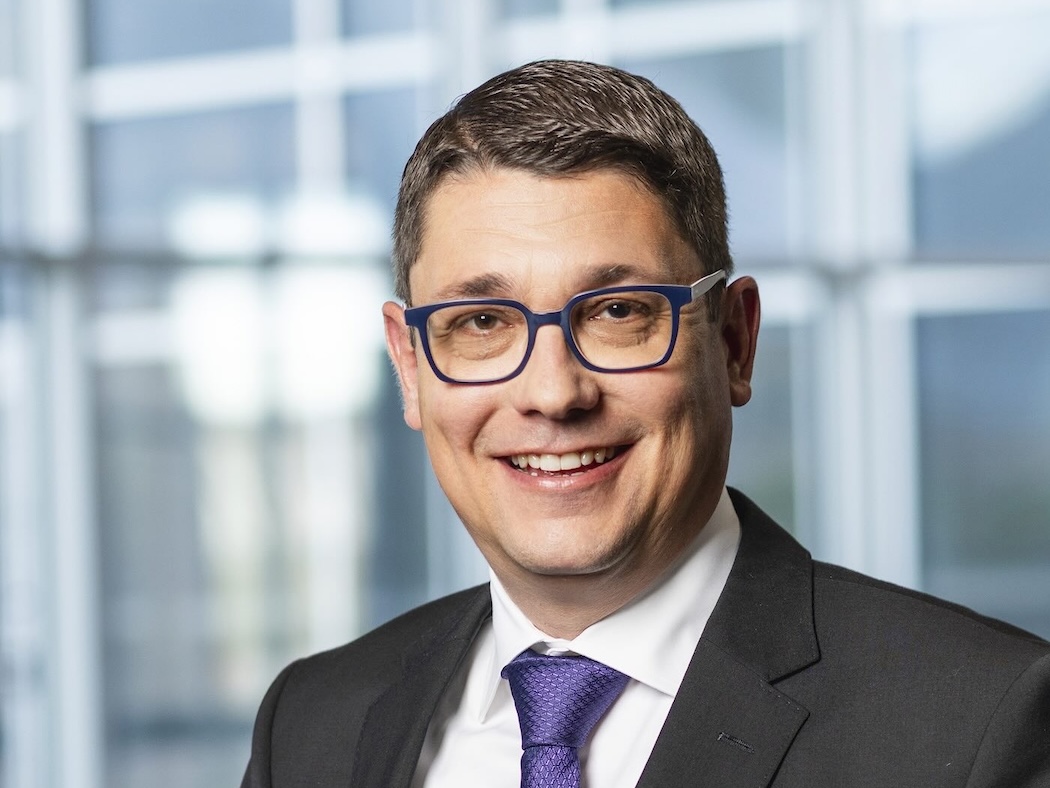
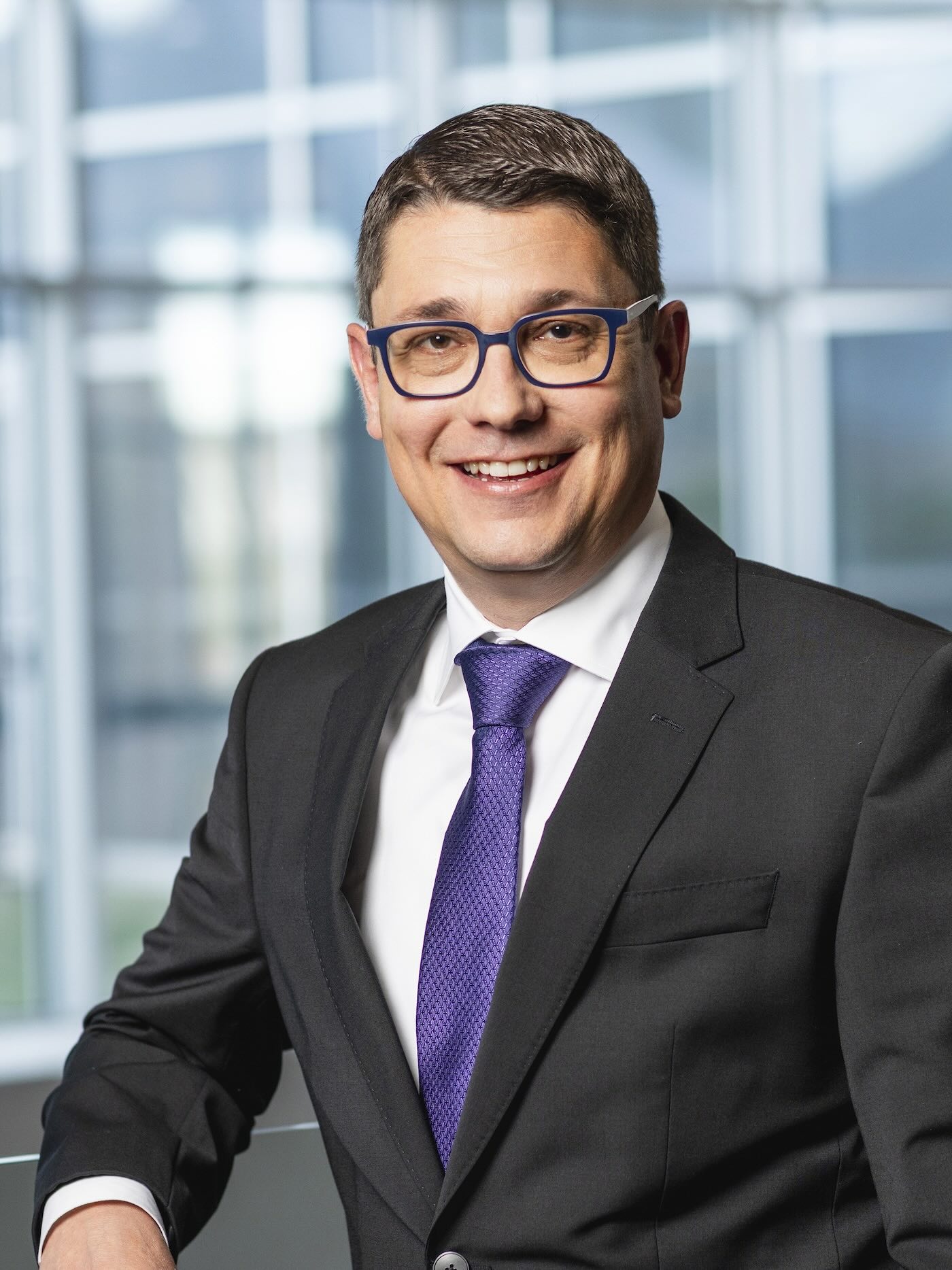
John Elford is the President and CEO of EPCOR Utilities Inc., an essential services provider that has evolved from Edmonton’s municipal utility to a stand-alone company that delivers clean water and safe, reliable energy to more than 180 communities across North America.
Since joining the company in 2004, John has brought his drive to pursue new opportunities, along with unwavering commitment to safety, and a passion for building outstanding teams to nearly all corners of the organization. This includes senior leadership roles in Electricity Services, Water Canada, Commercial Services and Corporate Services.
Today, he is responsible for EPCOR’s overall performance and strategic plan, including execution of more than $1 billion in annual capital investments and a commitment to sustainability that’s woven throughout its operations.
With a solid mandate for growth, John is leading EPCOR through strategies focused on ensuring service reliability across operations, solving complex water problems in climate-challenged regions and modernizing the electricity grid to create efficiencies and better affordability for customers.
A lifelong Edmontonian, John is also a two-time University of Alberta graduate, earning both a Bachelor of Commerce in 2000 and a Master of Business Administration in 2004.
He currently serves on the Edmonton International Airport’s Business Advisory Council and Electricity Canada’s Board of Directors. Previously, John was vice-chair of the board and chair of the Audit Committee for the Art Gallery of Alberta, a board member and chair of the Audit Committee for the United Way of the Alberta Capital Region, and a member of the University of Alberta’s Board Audit and Risk Committee.
Convocation Speaker: June 16, 10 a.m.
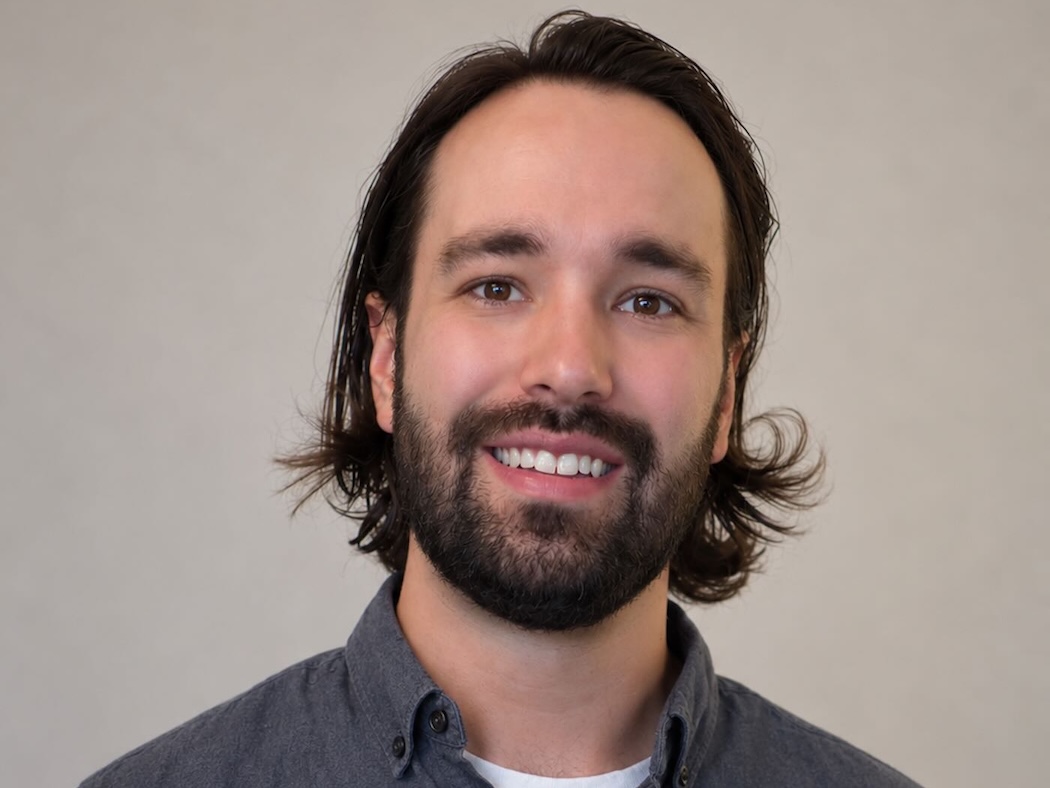
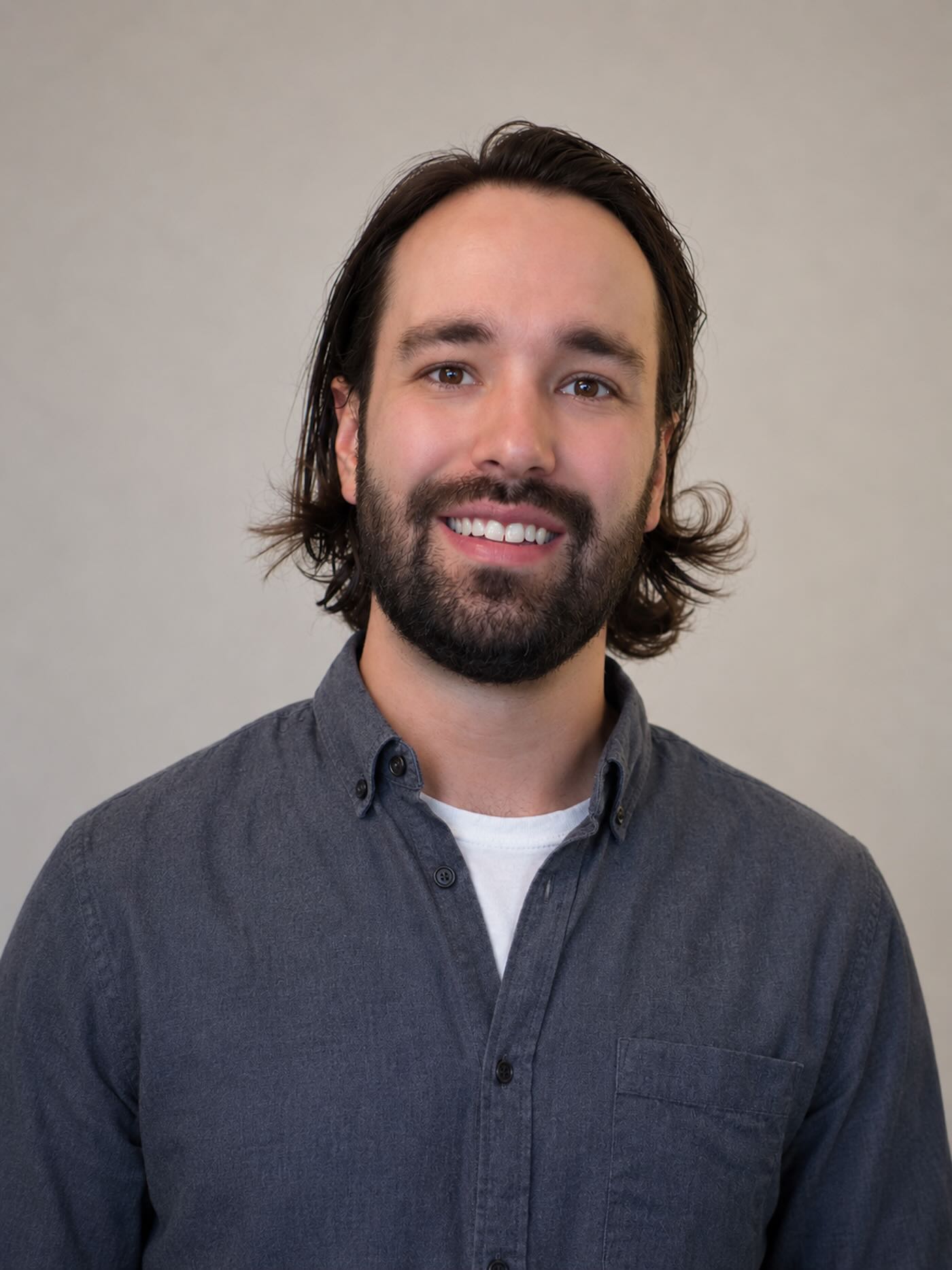
Dr. Jay Friesen is an Academic Program Officer in the Faculty of Graduate and Postdoctoral Studies and an Assistant Lecturer in Community Service-Learning at the University of Alberta. Working across graduate education, experiential learning and community engagement, he designs learning spaces where the relationships students build with each other and with community partners are the actual work, not a side effect of it.
That commitment shapes his teaching, course design and work with community partners, as well as his leadership of the university's academic citizenship requirement for graduate students, a program organized around ethics and helping graduate students find their footing in the university. In his community engagement courses, students learn to notice what is happening while it is still happening, especially when the work involves other people, competing obligations and real consequences. Community engagement, in this sense, is not separate from professional formation. It is one of the places where students find out what their knowledge actually does in the world.
His involvement with programs like Humanities 101, and with Walls to Bridges, which runs university courses inside the Edmonton Institution for Women, has shown how can change when the university extends itself toward communities rather than waiting for communities to find their way in. It has also shaped how he asks students to understand communities: not as sites of service or simply future careers, but as places of knowledge, responsibility and practice.
All of this work happens in Edmonton, on Treaty 6 territory, which keeps returning him and his students to the same questions: whose knowledge counts, whose presence is assumed, and who the university is actually for. It shapes what he asks students to notice about the assumptions, relationships and responsibilities that determine who belongs in a learning space and on what terms.
Convocation Speaker: June 16, 3 p.m.
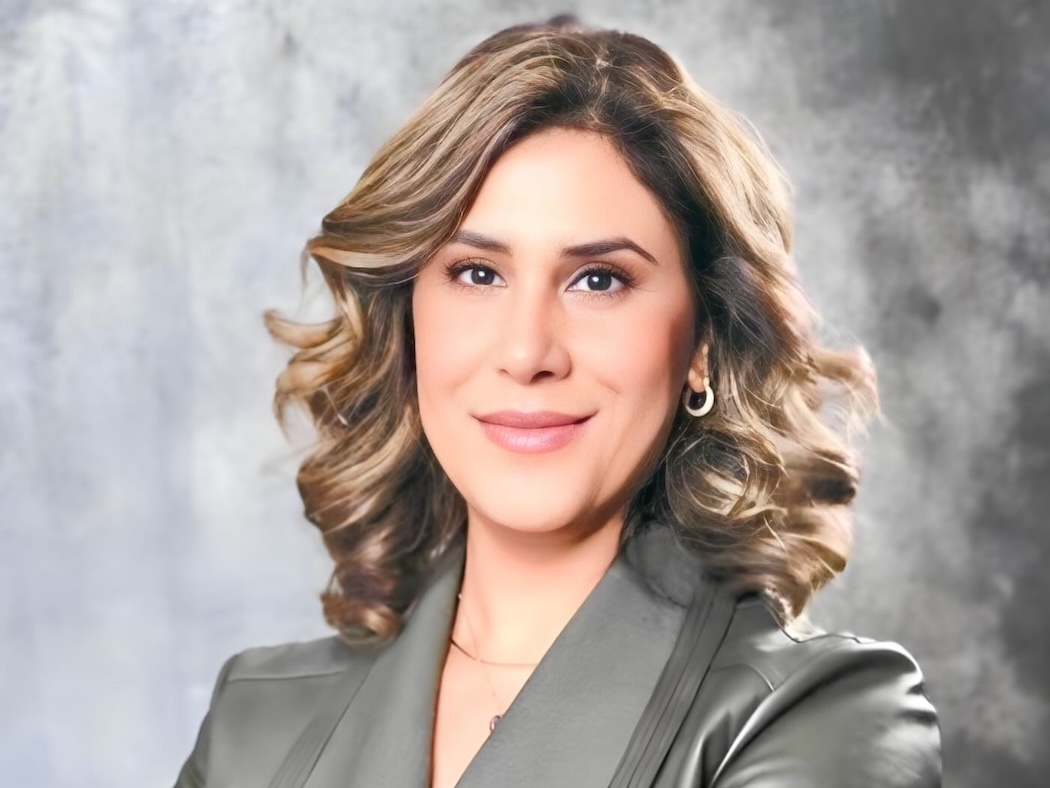
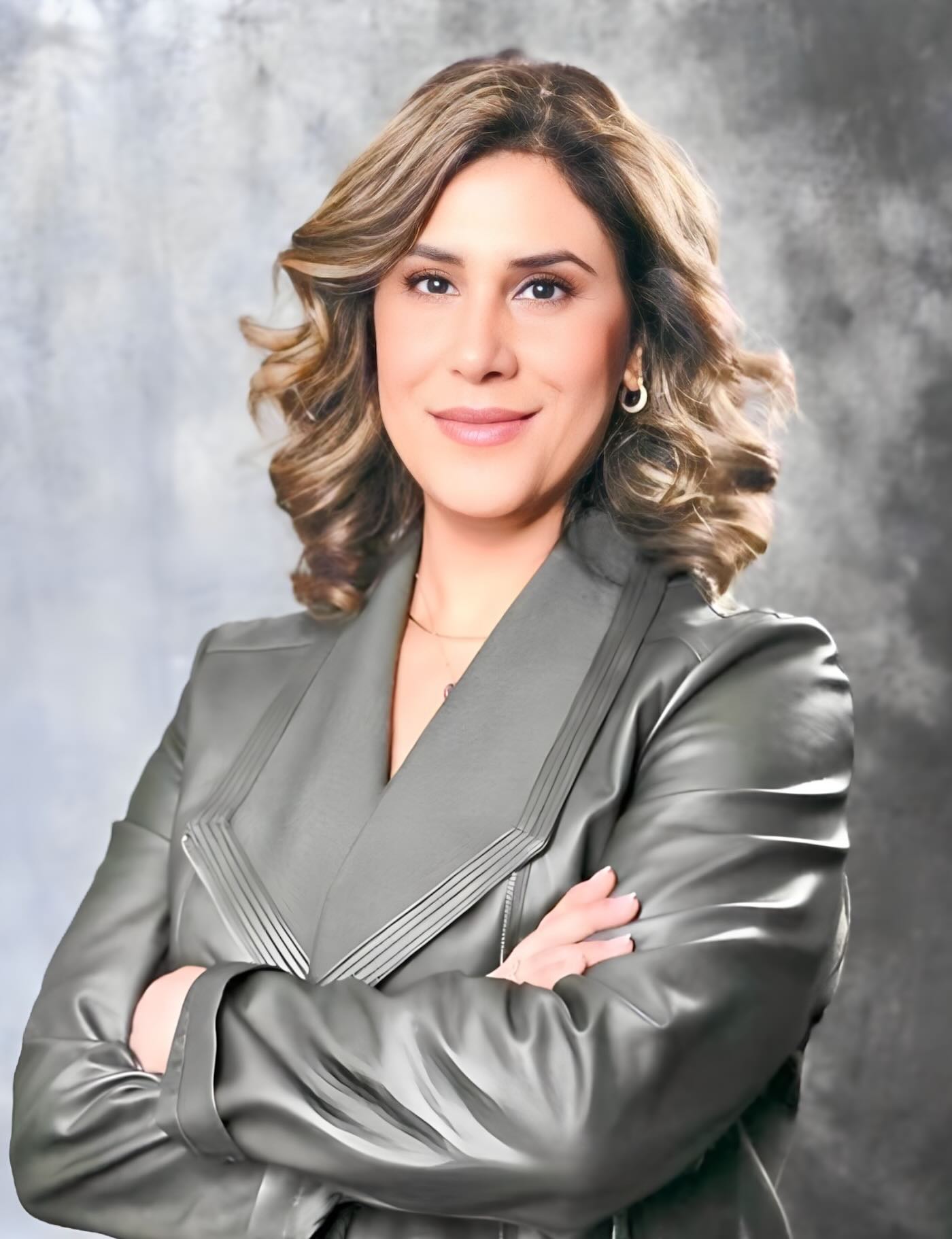
Dr. Hilal Gul is an Industrial Professor in the Department of Biomedical Engineering at the University of Alberta, as well as an inventor, innovator and entrepreneur whose work connects discovery, education, industry and real-world biomedical impact. She is the Founder, President, and CEO of MyStemBiotech Inc., where she advances patented colostrum-derived stem cell technologies with applications in regenerative medicine and agriculture. She is also the co-founder and CEO of Colustra Inc., focused on proprietary dermatological applications, including advanced wound healing and skin regeneration.
Dr. Gul integrates science, research, innovation and entrepreneurship through teaching, mentorship and industry engagement. She also serves as Industry Liaison to the Biomedical Engineering Industry Advisory Council, strengthening connections among students, faculty, healthcare partners, industry leaders and the broader biomedical sector.
Her interdisciplinary and international academic and professional journey spans Turkey, Germany and Canada. She earned her undergraduate degree in Biology from Hacettepe University and her master’s degree in Bioengineering from Middle East Technical University in Turkey. She received her PhD through the Faculty of Biochemistry, Chemistry and Pharmacy at Goethe University Frankfurt, Germany, where her research focused on the development of novel stem cell-based therapies for cancer. She subsequently completed postdoctoral training in translational stem cell research at Canadian Blood Services in
collaboration with the University of Alberta.
Her contributions to innovation and leadership have been recognized nationally and internationally. In 2025, Dr. Gul was recognized as a North American Women of Inspiration Award recipient in the Women in Tech category. Through MyStemBiotech, she was featured in Natural Products Canada’s 2023 report, Game Changers: Leading Companies. Powered by Women, celebrating women-led companies advancing Canada’s natural and bio-based industries.
Through her academic and entrepreneurial leadership, Dr. Gul is committed to empowering
the next generation of engineers, innovators, entrepreneurs and future leaders in STEM to
connect knowledge, creativity and purpose with meaningful impact.
Convocation Speaker: June 17, 10 a.m.
Honorary Degree Recipient: June 17, 3 p.m.
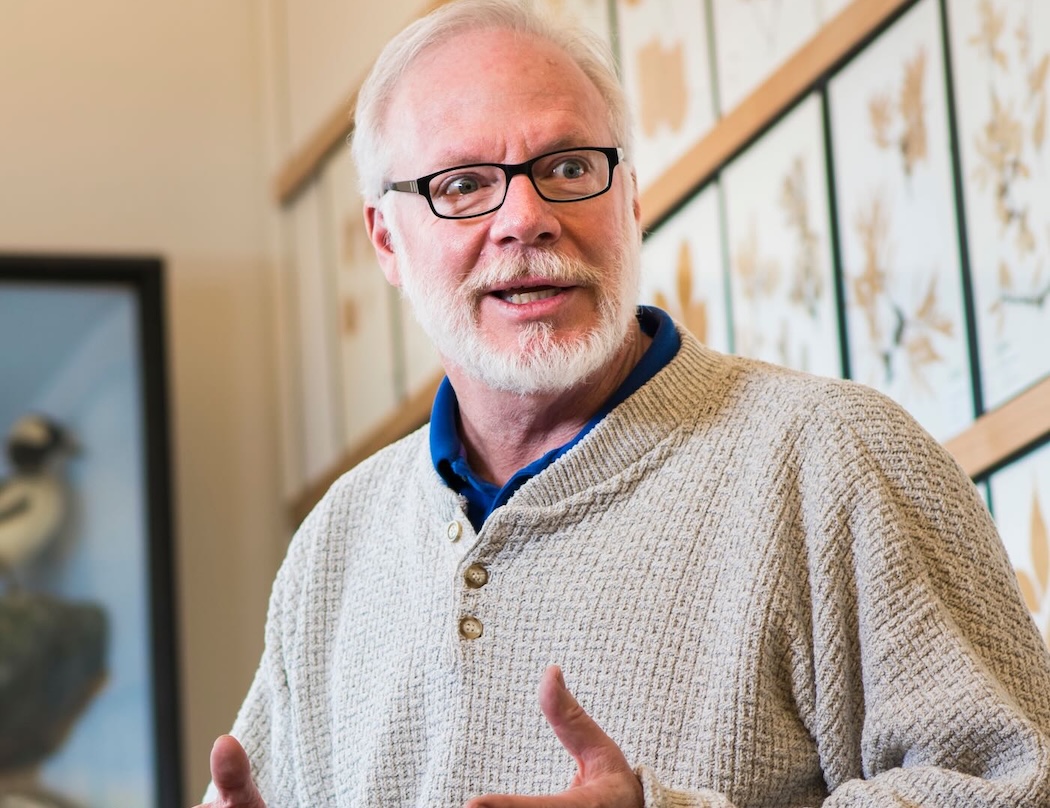
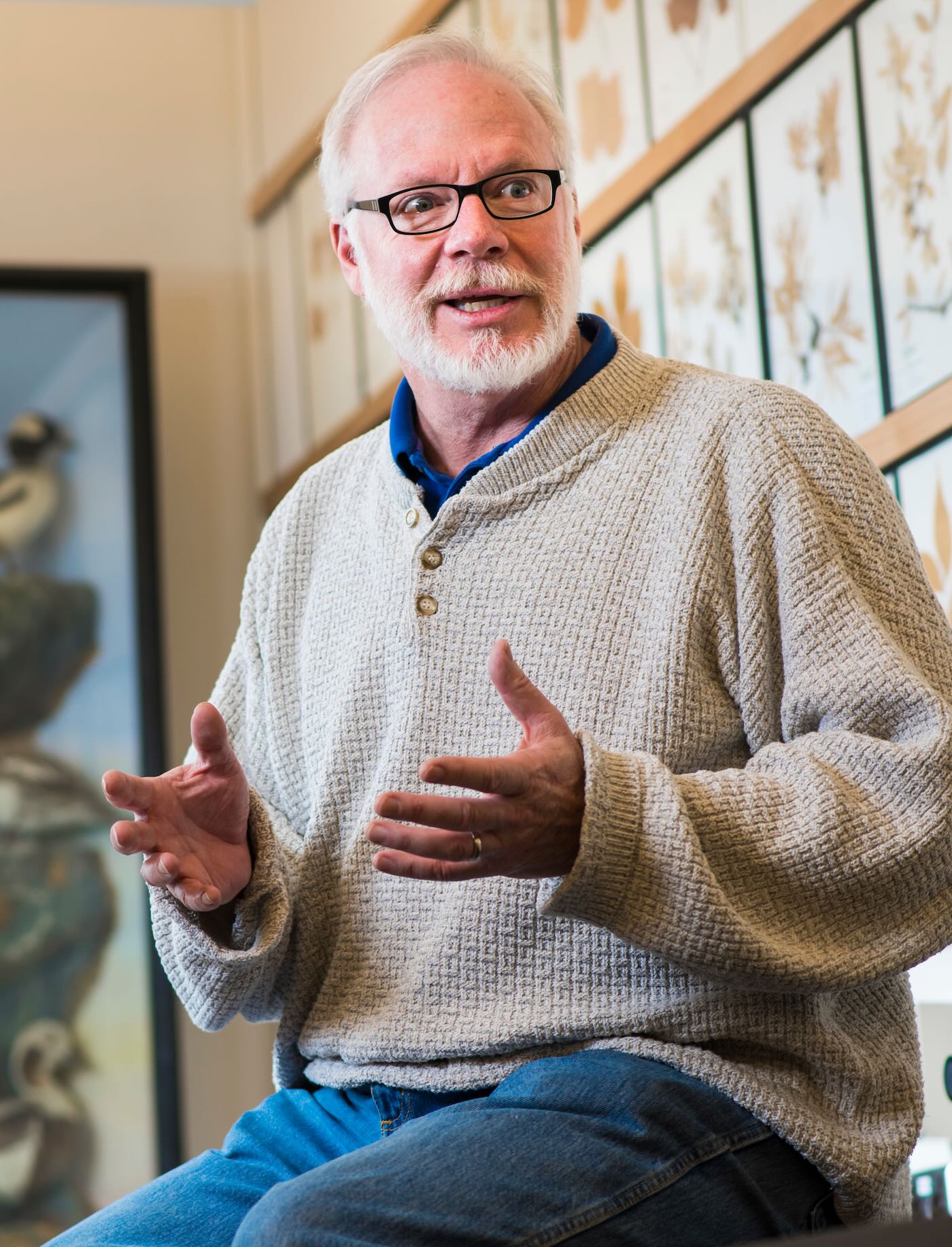
John Acorn is a renowned entomologist, author and broadcaster who has had a lasting impact on public science literacy.
He earned his bachelor of science in zoology in 1980 and his master’s in entomology in 1988, both from the U of A. For nearly 30 years, he has served his alma mater as a faculty service officer and lecturer, mentoring countless students in the Department of Renewable Resources.
He is widely celebrated as the host of the TV show Acorn the Nature Nut from 1994 to 1999, and the author of influential field guides such as Birds of Alberta.
An avid naturalist, he is deeply involved in community leadership, co-founding the Alberta Lepidopterists’ Guild, and serving as president of the Entomological Society of Alberta and patron for Nature Alberta.
His accolades include the Royal Society of Canada’s McNeil Medal, the NSERC Michael Smith Award for Science Promotion and the Entomological Society of America’s Medal of Honor. He received the U of A’s Distinguished Alumni Award in 2005.
Selection process
Honorary Degree recipients are chosen by the University Senate.
Past recipients
The complete listing of honorary degrees granted is published in the University Calendar and on the Senate website.