U of A Research Supported by RSF Funding
All University of Alberta research programs benefit from the federal Research Support Fund (RSF).
2024-25 INSTITUTIONAL INVESTMENT STORIES
How a U of A Spin-off Company Beat the Odds to Create a New Cancer Treatment

At UAlberta, the Research Support Fund aids in helping researchers, postdoctoral fellows, staff, and students explore commercial potential for their innovations through the Innovation, Knowledge Mobilization & Partnerships division of Research Services.
They support intellectual property (IP) strategy and protection, interactions with industry partners and spinoff company initiation.
Successful spin-off companies and start-ups from UAlberta have had access to the division’s expertise and guidance in invention/intellectual property, identifying the commercialization potential of research-driven discoveries and innovations, and in negotiating commercialization agreements. The division helps create strategic partnerships with industry, and help U of A spinoffs, inventors and entrepreneurs grow, scale and succeed. Researchers, students, and alumni can access innovation and commercialization resources.
Research on Weight Loss Drugs and Heart Impact
Through the support of the Research Support Fund, UAlberta’s animal services facilities provide high-quality housing, husbandry, veterinary oversight, and staff training that ensure the wellbeing of terrestrial and aquatic animals used in research. This ongoing support strengthens compliance, fosters compassionate and responsible research practices, and helps ensure that every aspect of animal care reflects the University’s commitment to excellence in research and animal welfare.
Animal research plays a vital role in advancing scientific and medical knowledge and continues to contribute to discoveries that improve human and animal health. At the University of Alberta, this work is grounded in a deep commitment to animal welfare and the promotion of a culture of care in animal-based research. UAlberta maintains a GAP Certificate issued by the Canadian Council of Animal Care, demonstrating our compliance with Canadian Council of Animal Care (CCAC) guidelines and standards.
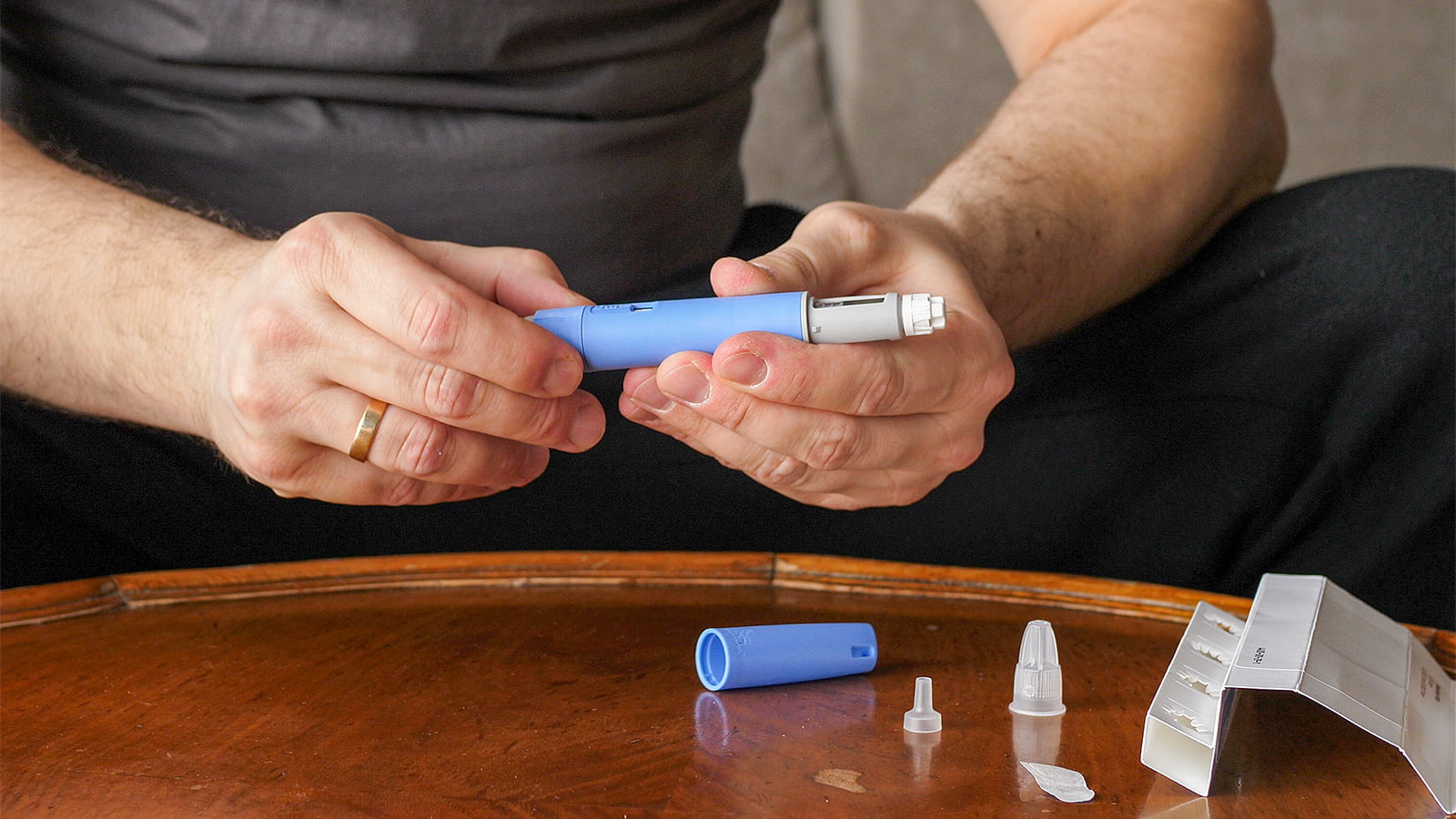
Weight Loss Drug Found to Shrink Heart Muscle
U of A researchers urge caution about the unknown unintended negative health consequences of trendy anti-obesity medications.

New Anti-Obesity Drug Shows Promise Preventing Heart Failure
Researcher finds experimental weight loss drug GDF15 improves heart function in mice with diabetes, independent of its weight loss effects.
Drug Discovery puts PHD Grad on Leading Edge of Medical Science

The Research Support Fund helps to build successful research teams and collaborations through funding allocations to UAlberta’s Human Resources services. Research at UAlberta requires people at all levels to achieve success. Human Resource services advises and helps to manage employee and labour relationships and is a key part of the hiring process and handling compensation and benefits.
Helping make regenerative medicine a reality
Regenerative medicine is an emerging science with the potential to replace damaged tissues/organs and tackle diseases (e.g., cancer, diabetes) via cellular therapies. U of A is helping to make regenerative medicine a reality via our research expertise and advanced research facilities like the Alberta Cell Therapy Manufacturing (ACTM)- the first facility of its kind in Western Canada and 1 of only 5 in Canada. ACTM contains the required equipment and controlled conditions to enable cellular therapy research and development. It's also a Good Manufacturing Practice (GMP) facility—a quality assurance system required for moving new therapies and medicines to patients because GMP ensures therapies/medicines are made and controlled consistently.
Powering new smart grid technologies
U of A is home to one of North America's largest smart grid technology research clusters. Our researchers are developing new technologies to support renewable energy grid integration, power conversion, cybersecurity, weather forecasting and power quality. Ryan Li is one of those researchers; he's tackling power distribution to make renewable energy more compatible with our existing power grid system. Currently, our ability to use more renewable energy is hampered because our energy infrastructure was designed 100 years ago and involves large, centrally controlled power plants with predictable outputs. But wind and solar power fluctuate with weather, and the power they generate must be converted from DC to AC currents.
U of A NanoFAB facility
U of A's NanoFAB is a centralized micro- and nanotechnology research and development facility that supports academic research and industrial projects by providing the infrastructure, tools and expertise required to drive diversification and innovation. The NanoFAB is the largest centre of its kind in Western Canada, and one of only three dedicated nanotech centres in Canada. The work conducted here will help drive the transition to a knowledge economy, and help train and prepare tomorrow's highly skilled workforce for that transition. Micro- and nanotechnology has sweeping applications for many sectors including health, energy and information technology. For example, nanotech is fuelling the ongoing trend for smaller, faster, more capable devices and driving the information and computer technology at the hardware level.
Going Nano for better cancer treatments
U of A researcher and professor Afsaneh Lavasanifar uses nanotechnology to target medicine delivery and improve drug absorption. She's primarily focused on chemotherapy drugs, which can damage healthy tissues and organs like the heart and kidneys. Afsaneh has developed a patented polymer technology that can carry medicines to targeted areas-meaning medicine is delivered directly to a tumour and away from surrounding healthy tissues. The result-better, more effective medicine with fewer side effects. To transfer the technology out into the world, to help people, Afsaneh created U of A spin-off company Meros Polymers. The company secured a U.S. patent and has patents pending in Europe and Japan.
Best Friends forever? The very, very old bond between man and dog
When it comes to our relationship with animals, it seems humans and dogs have been best friends for a very long time. The bond is very old, prehistoric in fact. University of Alberta anthropologist Rob Losey, who researches the connection between man and dog, says that globally, there are more prehistoric dog burials than any other animal. One project, at Lake Baikal in Siberia, involves dog remains that are 5,000 - 8,000 years old. Losey has found evidence that prehistoric humans treated dogs very much like we do today-right down to the table scraps. Dogs were even buried alongside humans in cemeteries, placed in graves, some even wearing decorative collars and/or with grave goods placed next to them like spoons.